Weatherboard and Cladding Repairs - What's Actually Involved
Timber weatherboard is the most common external cladding across Auckland's residential housing stock. It performs well with maintenance, but when it deteriorates it often does so in a way that's hard to identify from the outside - damage starts from the inside of the board, at the fixings, or at the base course, not from the painted face.
How Weatherboard Damage Develops
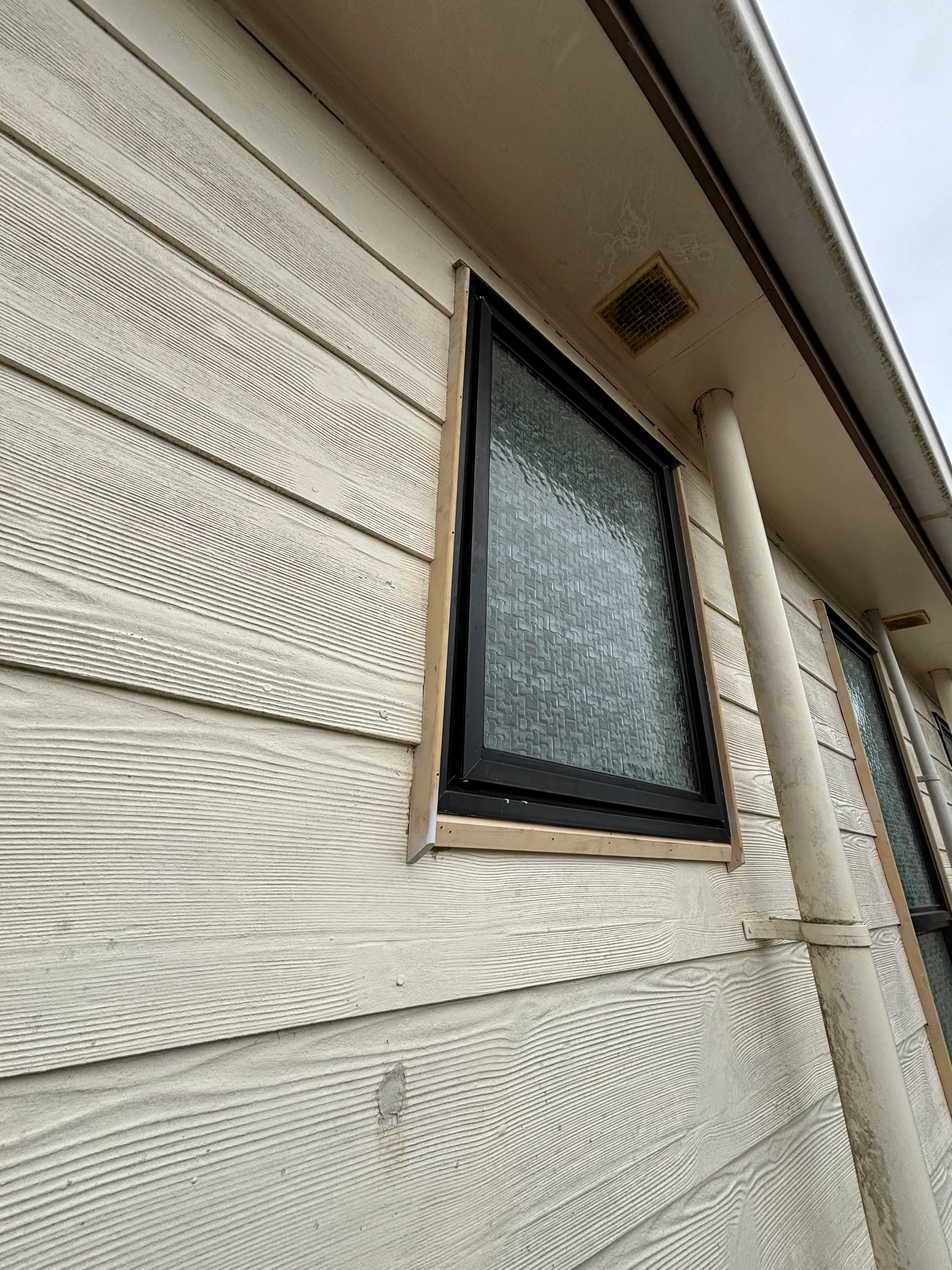
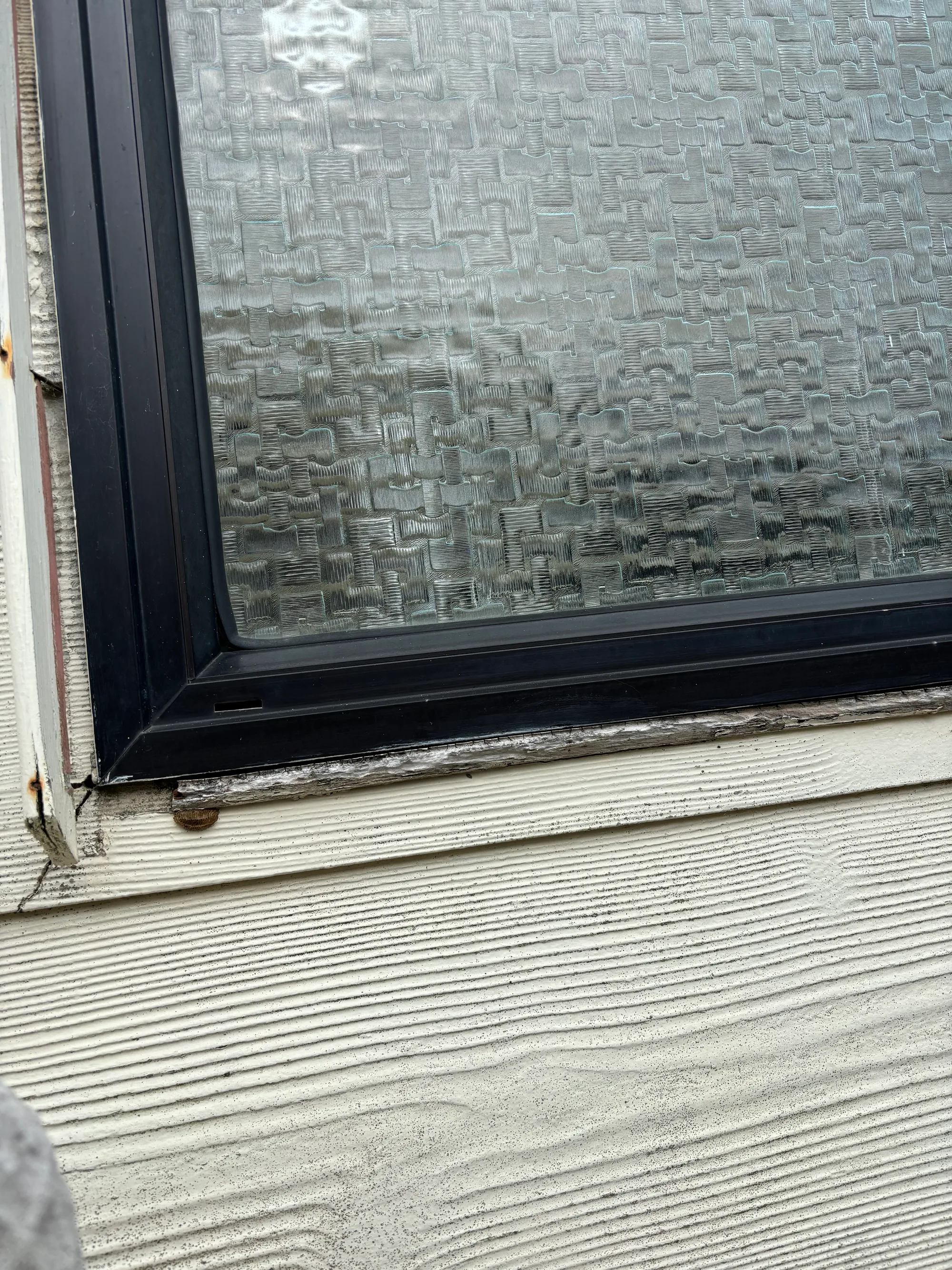
Most damage in Auckland homes starts at one of three places: the bottom courses, where boards sit close to the ground and pick up splash-back and ground-level humidity; around window and door flashings, where the seal between the joinery and cladding fails over time; or at vertical joints between boards where caulking has cracked open. Water sitting against or behind a board softens the timber from the inside. This isn't visible until the damage is significant enough to cause movement or paint starts lifting in localised patches. By the time it's obvious on the surface, the boards and often the framing behind them are already compromised.
What a Weatherboard Repair Involves
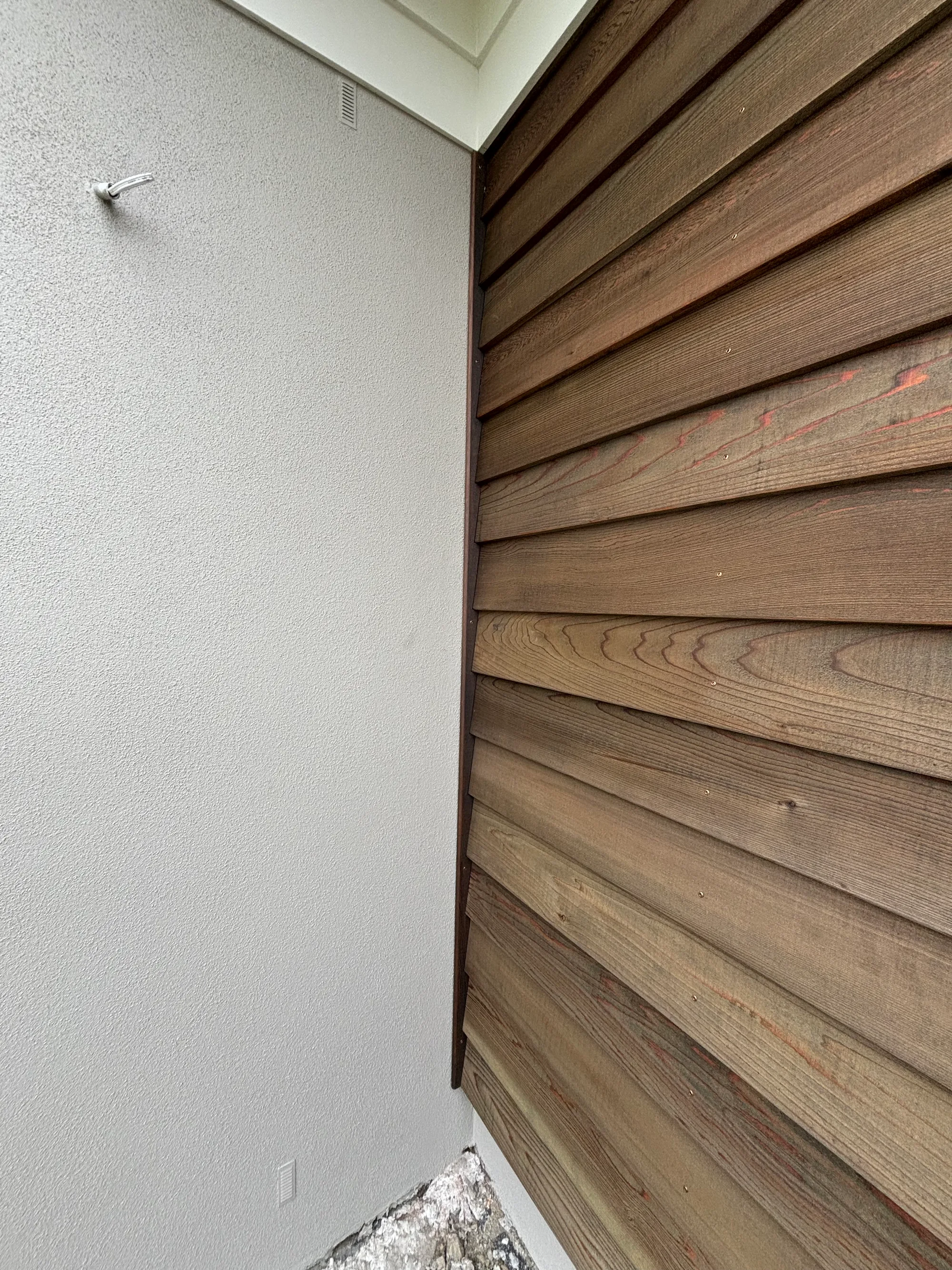
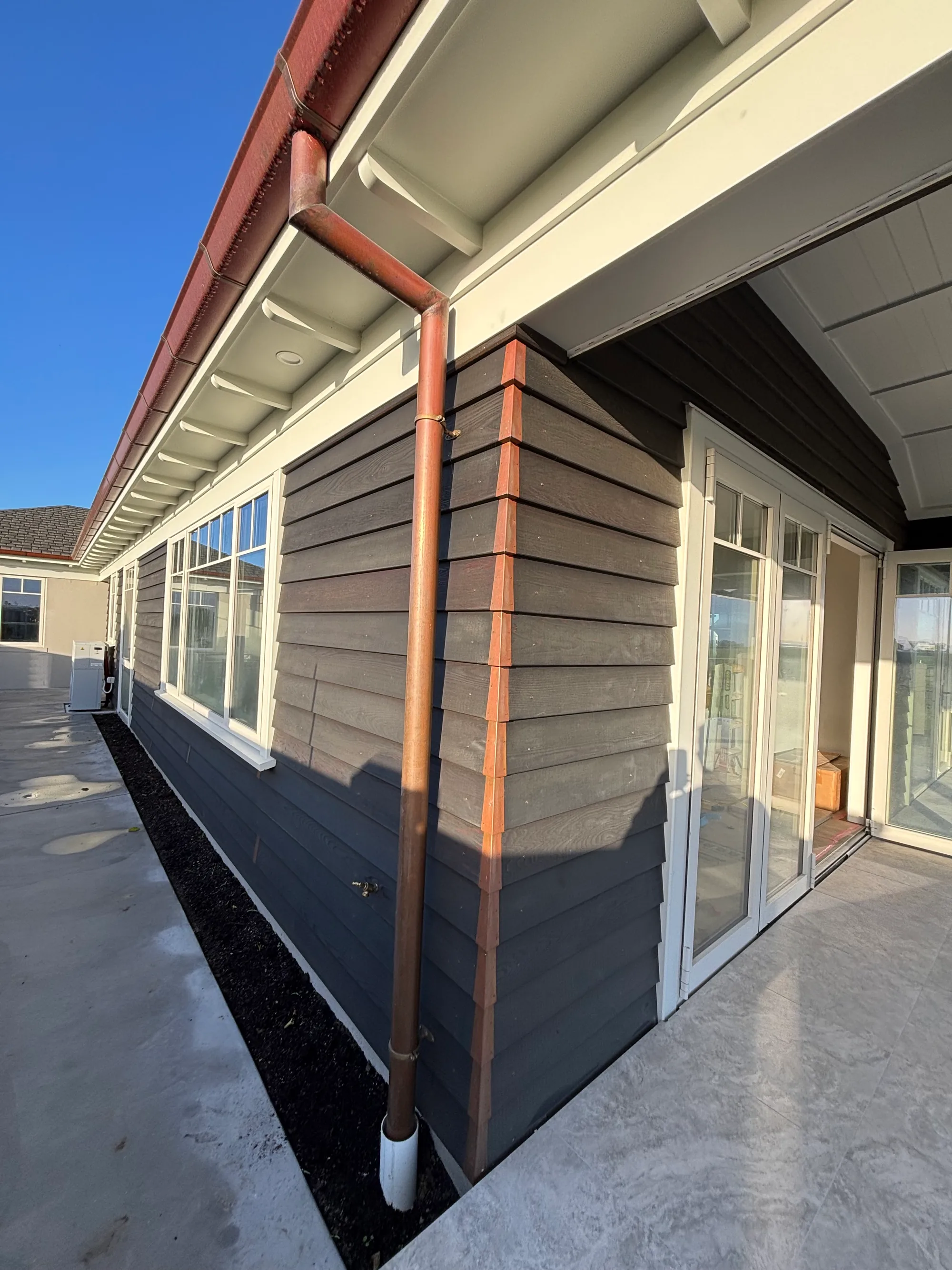
A cladding repair involves removing the affected boards, inspecting the building wrap and framing behind for secondary damage, repairing or replacing the wrap where it's deteriorated, installing new boards to match the existing profile, fixing correctly with appropriate fixings (galvanised or stainless in exposed locations), priming, and finishing to blend. Profile matching matters - an Auckland home from the 1960s has a specific board width and thickness that doesn't always match modern off-the-shelf stock. If an exact match isn't in standard supply, we source it or have it cut to profile. A repair that stands out is not a finished repair.
When It Becomes More Than a Patch
If weatherboard damage is widespread - multiple runs of boards across a wall, or damage that extends to the framing or building wrap behind large sections - a patch repair approach stops making sense. In those cases it can be more practical to reclad the affected wall entirely rather than do a series of isolated repairs. We'll assess what's actually there and give you a direct recommendation on which option is the right call, not which one creates more work.